NDIS home cleaning is not vague. It is a specific line item in your Core Supports budget with clear rules on who can access it, what a cleaner is allowed to do, and how the hours are billed. Here is exactly what is covered, who qualifies, and how a first visit actually works — written for participants, families, and support coordinators who want the plain-English version.
What NDIS home cleaning actually is
NDIS home cleaning is a household task funded under the participant’s Core Supports budget — specifically under the sub-category Assistance With Daily Life. It exists so participants can live safely and independently in their own home when a disability makes the physical tasks of cleaning genuinely difficult or unsafe to do alone.
The scheme does not treat cleaning as a luxury. It treats it as a functional support — the same category as help preparing meals or getting dressed. A clean, hazard-free home reduces fall risk, keeps allergens down for participants with respiratory conditions, and frees the participant’s energy for the things their plan is actually built around (work, therapy, community, recovery).
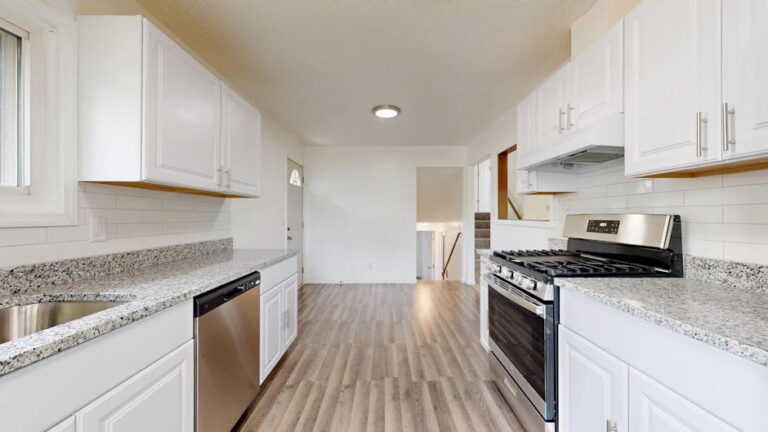
The line item is worded loosely on purpose. The NDIA does not prescribe which rooms or which surfaces — that is decided between the participant and the cleaner, based on the participant’s functional need. A typical visit runs 2 to 3 hours and covers kitchen, bathroom, floors, and bedroom. Deeper or specialty tasks (oven, blinds, inside windows) get added on request.

Who can use NDIS home cleaning
The short answer: any NDIS participant whose plan includes funding under Assistance With Daily Life — Core Supports, where a support coordinator or planner has identified household tasks as a functional need.
In practice the eligibility test is not about the diagnosis. It is about whether the participant can safely and reasonably complete the cleaning task themselves. That covers:
- Physical disabilities that limit lifting, bending, reaching, or standing for extended periods
- Cognitive conditions that make sustained multi-step tasks (like a full house-clean) very hard to organise
- Psychosocial disability where household maintenance becomes a barrier to recovery and daily function
- Sensory processing conditions that make loud vacuums, fragranced products, or unpredictable visits unsafe
- Chronic pain or fatigue conditions where the physical toll of cleaning wipes out the rest of the day
Age is not a criterion — the NDIS supports participants under 65. Older Australians usually access cleaning through the Home Care Package or Commonwealth Home Support Program instead. If you are not sure which stream applies, the participant’s planner or LAC (Local Area Coordinator) is the right first call.
What a typical NDIS clean actually includes
Every plan is different, and the cleaner adapts to what the participant needs. But a standard 2- to 3-hour NDIS home cleaning visit in Wangaratta usually covers these rooms and tasks. Everything below is billable to the plan.
- Kitchen: benches, sink, stove-top, splashback, front of cabinets, microwave interior, bin
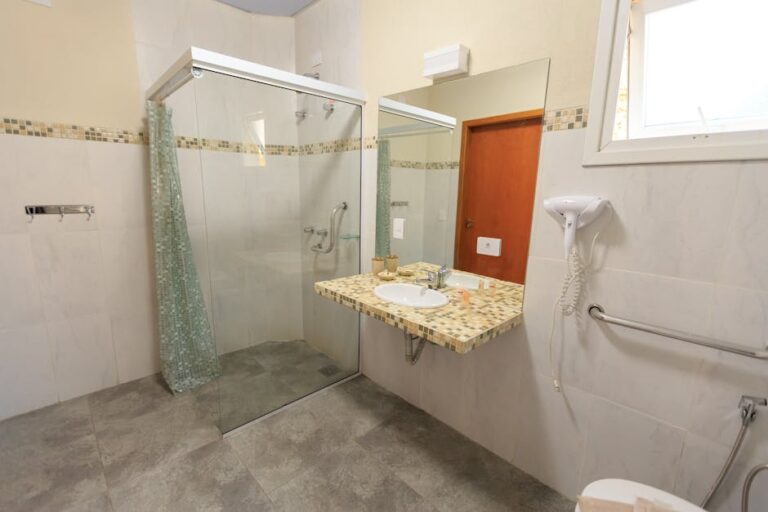
- Bathroom & toilet: shower, bath, vanity, mirror, toilet inside and out, floors
- Living areas: vacuum carpets and hard floors, mop hard floors, wipe surfaces, dust reachable ledges
- Bedrooms: vacuum, mop, wipe surfaces, change linen if pre-arranged
- Common tasks: empty bins, wipe door handles and light switches, quick tidy of clutter
Things that are usually extra and billed to available hours if requested: inside oven, inside windows, blinds, range hood degrease, wardrobes, walls, and yard tasks. These are entirely allowed under the funding — they just take more time, so they get discussed in advance and scheduled deliberately.

What the funding actually pays for
Every cleaner working under NDIS is paid at an hourly rate set by the annual NDIS Pricing Arrangements and Price Limits. The rate covers travel time within a reasonable service area, the cleaner’s time on site, and the products and equipment they bring. It does not cover a “call-out fee” or “booking fee” on top — those are not supported under the pricing rules.
The three ways a plan can be managed change how you pay, but not what a cleaner charges:
- NDIA-managed: the cleaner must be a registered NDIS provider. Invoice goes straight to the NDIA portal. Nothing to pay from your pocket.
- Plan-managed: the cleaner can be registered or unregistered. Invoice goes to the plan manager, who pays the cleaner and claims from the NDIA. Nothing to pay from your pocket.
- Self-managed: the participant pays the cleaner directly and then claims reimbursement from their NDIS portal. Slightly more paperwork, most flexibility.
Green Koala works across all three arrangements. We invoice cleanly with the line item, the hours, and the date of service — exactly what a plan manager or self-manager needs to claim the funding.
Wondering if NDIS cleaning is right for your household?
Free walkthrough with Hamish. No pressure. Plain-English answers.
What paperwork the participant should keep
A tidy paper trail matters more than most participants realise, especially heading into a plan reassessment. The four documents worth keeping in one folder (paper or digital):
- Service agreement or quote stating the hourly rate, expected weekly / fortnightly hours, and the NDIS line item being billed
- Every invoice with date of service, hours worked, and the same line-item reference
- A short note from the cleaner or coordinator if the scope changes materially (e.g. hours drop because the participant moved to a smaller home)
- Any assessment or recommendation from an OT, GP, or support coordinator that identifies household cleaning as a functional support
That folder is what makes a plan reassessment straightforward. The planner can see the funding is being used, what it is being used for, and why it continues to be needed. Vague or missing paperwork is the single most common reason cleaning funding gets reduced at review.
Green Koala works with all three arrangements and invoices cleanly with line item, hours, and date of service.
How a first visit works with Green Koala
Booking your first NDIS home clean is intentionally low-friction. Here is how it runs for a Wangaratta-area participant:
- Phone call or email. The participant, a family member, or the support coordinator gets in touch. We confirm plan management type and how the invoice will flow.
- Free walkthrough visit. Hamish comes out, meets the participant, walks through the home, and agrees the scope and time estimate together. No pressure to book on the spot.
- Service agreement. A one-page agreement covering hours, rate, line item, and cancellation policy. Copies to the participant and the plan manager (if applicable).
- First cleaning visit. Same day of the week each cycle. Same cleaner. Predictable arrival window. The participant does not have to explain the routine every time.
- Ongoing. Weekly, fortnightly, or monthly depending on funding and need. Any change to scope is discussed in advance — never surprise invoiced.
- ✓Service agreement or quote showing hourly rate + expected hours
- ✓Every invoice with date of service and NDIS line-item reference
- ✓Short note from the cleaner or coordinator when scope changes
- ✓OT / GP / support coordinator recommendation identifying cleaning as a support need
- ✓Copy of the plan section funding the cleaning (for quick reference)
- ✓Emergency contact list for the cleaner and any family carer
- ✓Cancellation and reschedule log (once or twice a year is normal, more than that raises questions)
Frequently Asked Questions
Is cleaning definitely covered by the NDIS?+
Do I need a registered provider?+
How much of my plan does cleaning take up?+
Can I get the same cleaner every time?+
What if I need to cancel a visit?+
Can family members or a support worker be present?+
What if my plan gets reassessed and I lose the funding?+
How do I get started?+
Sources & further reading
- National Disability Insurance Scheme (NDIS) Australian Government — NDIS
- Household tasks — what’s included under Core Supports National Disability Insurance Agency
- NDIS Pricing Arrangements and Price Limits National Disability Insurance Agency
- How your plan is managed — plan management options National Disability Insurance Agency
- NDIS Quality and Safeguards Commission Australian Government — NDIS Commission
- Choice and control — your rights under the NDIS National Disability Insurance Agency
Ready to Book the First Visit?
Free walkthrough. Same cleaner each visit. Wangaratta + Beechworth + Myrtleford + surrounds.