A standard NDIS home cleaning visit runs 2 to 3 hours. That is enough time to reset the kitchen, bathroom, bedroom, and floors properly — but only if the cleaner works to a clear scope. Here is exactly what a typical NDIS visit covers, what usually gets added as a specialty task, and what a cleaner is not there to do.
The default 2- to 3-hour scope
Under the NDIS Assistance With Daily Life funding, an average visit lands on four zones: kitchen, bathroom & toilet, floors across the home, and one bedroom. That covers about 85% of the day-to-day household hygiene load for most participants and their families.
The scope is designed to be practical, not exhaustive. The goal is a home that is safe, hygienic, and pleasant to live in — not a magazine cover.

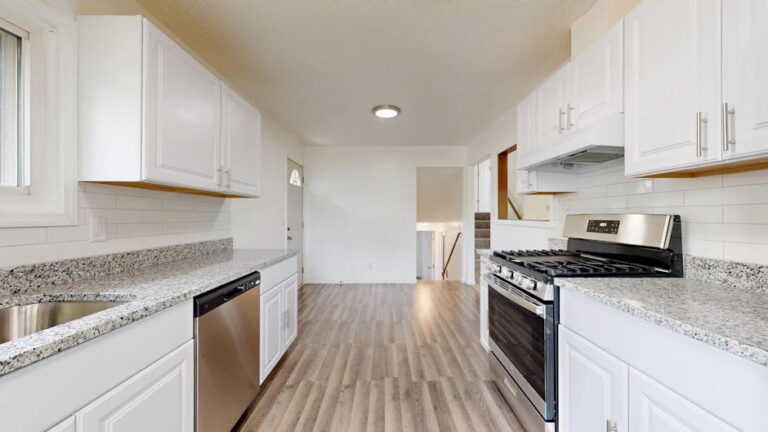
Kitchen — what is included
- Wipe down all benches and prep surfaces
- Clean sink, taps, drain guard
- Wipe stove-top and control panel
- Clean splashback and reachable tile line
- Wipe front of all cabinets and handles
- Clean microwave interior + exterior
- Wipe fridge exterior (top, front, handles)
- Empty and re-line kitchen bin
- Sweep + mop hard floor
What is not included by default: inside the oven, inside the fridge, inside cabinets. These are usually specialty add-ons scheduled quarterly or on request.
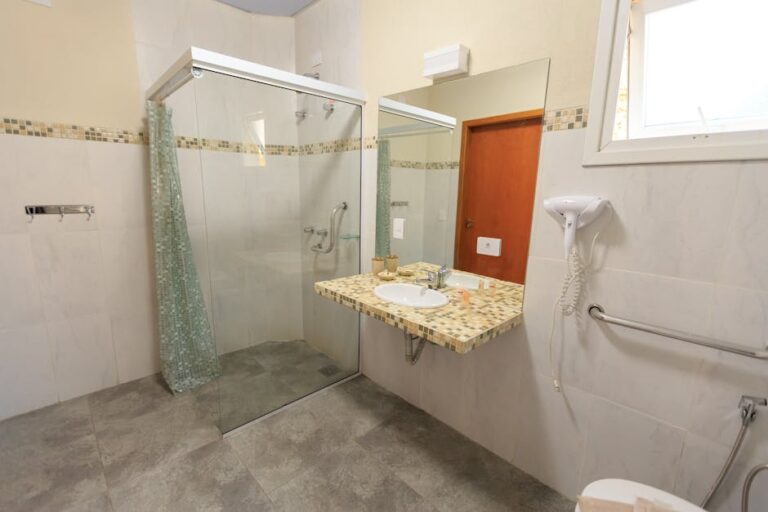
Bathroom and toilet — what is included
- Clean shower recess, screen, and shower head
- Clean bath (if present)
- Clean vanity, basin, taps, mirror
- Clean toilet: seat, bowl, base, cistern, floor around it
- Wipe reachable tile surfaces
- Empty bathroom bin
- Mop the floor
What is not included by default: mould treatment beyond surface removal, regrouting, or deep-scrub of stained silicone. Those are structural jobs, not weekly-visit tasks.

Floors — what is included
Floors across the whole home are always included in the default scope, because floor safety is a direct disability-support outcome:
- Vacuum all carpets and rugs
- Sweep or vacuum hard floors first
- Mop hard floors with the right cleaner for the surface
- Move light furniture where it is safe to do so
- Pay attention to entryways where debris tracks in
Want the default scope tailored to your household?
Free walkthrough. Fixed scope agreed together. No surprises.
One bedroom — what is included
A default visit resets one primary bedroom. If the plan funds more time or the household has multiple participants, additional bedrooms scale accordingly.
- Vacuum carpet, mop hard floor
- Change bed linen if pre-arranged and left out
- Wipe surfaces: bedside table, dresser top, window sill
- Dust reachable ledges and picture tops
- Empty bedroom bin if there is one
Any add-on is discussed and agreed before the visit. Never surprise-invoiced.
Common finishing tasks
- Wipe down high-touch surfaces: door handles, light switches, remotes
- Wipe kitchen and dining table tops
- Quick tidy of visible clutter (books stacked, cushions straightened)
- Consolidate rubbish bins and take out to the wheelie if requested
- Report anything unusual: leaks, damage, safety issues
That last item matters. Regular cleaners often spot problems before residents do — a slow leak under a sink, a scorch mark on a bench, a wobbly stair rail. A short note back to the participant or family lets small issues get fixed early.
What the cleaner is not there to do
Being clear about the boundary keeps everyone comfortable. An NDIS home cleaner is funded to do household cleaning — not personal care, not gardening, not repairs, and not commercial-scale sanitisation. Specifically:
- Personal care of the participant (dressing, showering, medication) — that is a different NDIS worker
- Gardening, lawn mowing, or outdoor maintenance
- Handyman work, minor repairs, or IKEA-style assembly
- Moving heavy furniture (safety and insurance limit)
- Deep decontamination after biohazard events — specialist territory
Keeping the scope honest protects the participant’s funding for what it is meant to cover, and prevents a cleaner burning through hours on tasks that belong elsewhere in the plan.
- ✓Written note or list of any surfaces / products the participant reacts to
- ✓Any spare bin liners kept in the kitchen (if you use a specific brand)
- ✓A clear path to each zone in scope — walkers, boxes, laundry moved aside if possible
- ✓Access details — key, code, buzzer, dog situation, whether anyone will be home
- ✓Preferred contact for the day: participant, family carer, or support coordinator
- ✓One decision on add-ons to include this visit (oven / windows / wardrobes)
- ✓A cup of tea for Hamish if you are so inclined (optional but appreciated)
Frequently Asked Questions
Can I change what’s in scope?+
What if my plan only funds a shorter visit?+
Can the cleaner do laundry?+
What if my participant has specific product preferences?+
Do you clean pet bedding or cages?+
Can I request different tasks each visit?+
What if something urgent needs cleaning in between visits?+
Do you send a report after each visit?+
Sources & further reading
- Household tasks — what’s included under Core Supports National Disability Insurance Agency
- Choice and control — your rights under the NDIS National Disability Insurance Agency
- NDIS Pricing Arrangements and Price Limits National Disability Insurance Agency
- National Disability Insurance Scheme (NDIS) Australian Government — NDIS
- NDIS Quality and Safeguards Commission Australian Government — NDIS Commission
Ready to Set Your Scope?
Free walkthrough with Hamish. Same cleaner every visit. Wangaratta + Beechworth + Myrtleford + surrounds.