Ever stood back to admire your freshly cleaned windows, only to spot that stubborn, cloudy film that just won’t budge? You’re not alone. Those pesky marks are often hard water spots, and they’re a common challenge for homeowners across Northeast Victoria, from the King Valley to Chiltern. They can turn a perfectly clear pane into a streaky mess, diminishing your home’s sparkle. Today, we’re diving deep into why these spots form, what products genuinely work to remove them, and how you can prevent them from ruining your view in the first place.
What Are Hard Water Spots and Why Do They Form?
Hard water spots, sometimes called mineral deposits or water stains, aren’t just dirt. They’re the remnants of minerals like calcium, magnesium, and sometimes iron, left behind when water evaporates. Our regional water sources, including bore water in some areas or even municipal supply in places like Benalla, can have varying levels of these dissolved minerals.
The process is simple: water lands on your window – from sprinklers, rain, or even just a splash from washing the car. As the sun warms the glass, the water evaporates, but those minerals don’t. They cling to the surface, forming the white, chalky, or sometimes brownish spots you see. If left untreated, these minerals can actually etch themselves into the glass over time, making them far more difficult, if not impossible, to remove without professional restoration.
Products That Actually Work (and What to Avoid)
When it comes to tackling hard water spots, not all cleaning products are created equal. The key is to use an acidic solution that can dissolve the mineral deposits without damaging the glass. Here’s what we’ve found effective:
- White Vinegar: A household hero. Mix equal parts white vinegar and distilled water in a spray bottle. The acetic acid in vinegar helps break down mineral deposits. For tougher stains, you can use a higher concentration of vinegar or even neat vinegar.
- Lemon Juice: Similar to vinegar, lemon juice contains citric acid. It’s a milder option and can be used in the same way as vinegar solution, though it might require more elbow grease for severe spots.
- Specialised Hard Water Removers: For really stubborn, aged stains, you might need a commercial product. These are often acid-based and specifically formulated for mineral removal. Always read the label carefully and follow safety instructions, as some can be quite potent. We use professional-grade, biodegradable acid-based solutions that are highly effective yet minimise environmental impact.
What to Avoid:
- Abrasive Cleaners or Scouring Pads: These will scratch your glass, creating micro-fissures where dirt and minerals can accumulate even more easily in the future.
- Harsh Bleach-based Cleaners: While they might clean other things, bleach isn’t effective against mineral deposits and can leave streaks or residue on glass.
- Dish Soap Alone: While good for general window washing, dish soap isn’t acidic enough to dissolve hard water minerals. It can sometimes even contribute to a film if not rinsed thoroughly.
The Step-by-Step Removal Process
Ready to reclaim your clear views? Here’s how to effectively remove those hard water spots, whether you’re working on a sunroom in Bright or a kitchen window in Peechelba:
- Step 1: Initial Wash. First, wash the windows as you normally would to remove any loose dirt, dust, or grime. This ensures you’re only tackling the mineral deposits. Rinse thoroughly.
- Step 2: Prepare Your Solution. For a standard vinegar solution, mix one part white vinegar with one part distilled water in a spray bottle. For tougher spots, you might use neat vinegar or your chosen commercial hard water remover. Always wear protective gloves and eyewear, especially with stronger solutions.
- Step 3: Apply Liberally. Spray the hard water spot remover directly onto the affected areas of the window. Ensure the entire stained patch is saturated.
- Step 4: Dwell Time is Key. Let the solution sit on the glass for 5-15 minutes. This allows the acid time to break down and dissolve the mineral deposits. For very light spots, 5 minutes might be enough. For older, tougher stains, let it sit closer to 15 minutes, but don’t let it dry on the glass. You might need to re-mist if it starts to dry out.
- Step 5: Agitate and Scrub. Using a non-abrasive sponge, microfibre cloth, or a fine steel wool (grade #0000, specifically designed for glass), gently scrub the affected areas. Apply consistent, moderate pressure. You should see the spots starting to lift.
- Step 6: Rinse Thoroughly. Use clean water to completely rinse off all traces of the cleaning solution and dissolved minerals. Any residue left behind can lead to new spots or streaks.
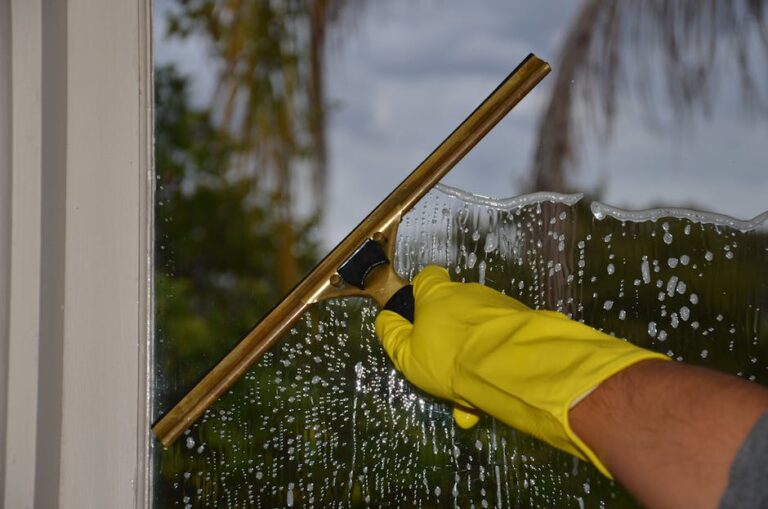
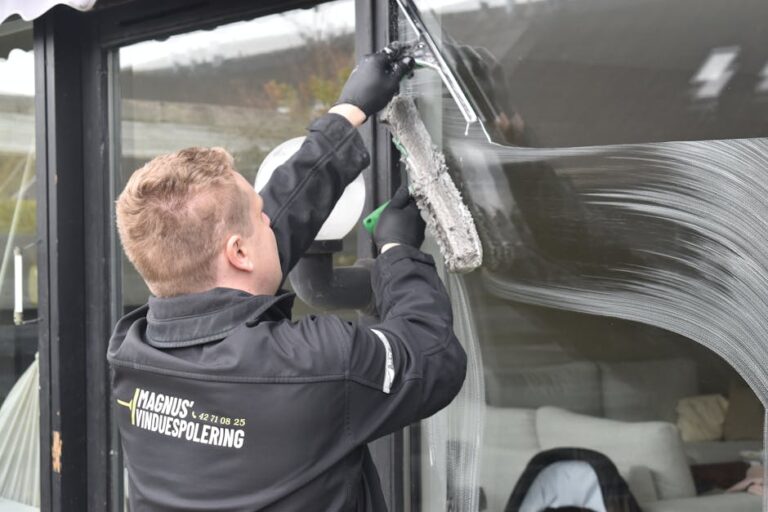
- Step 7: Dry Properly. For a streak-free finish, dry the window immediately. A high-quality squeegee is ideal, wiping the blade clean after each pass. Alternatively, use a clean, dry microfibre cloth. Pay particular attention to the edges and corners, as water often pools there.
- Step 8: Repeat if Necessary. For very stubborn, long-standing hard water spots, you might need to repeat the process a second or even a third time.
Green Koala Cleaning Tip: Don’t forget the window tracks! Hard water often collects in these areas, building up unsightly mineral deposits. We always clean the tracks and sills as part of our detailed window cleaning service, ensuring no spot is missed.
Prevention is Better Than Cure
Once you’ve put in the effort to remove those spots, you’ll want to prevent them from coming back. Here are some proactive measures:
- Regular Cleaning: The most effective prevention is regular maintenance. Cleaning your windows every 3-6 months, or more frequently in areas prone to splashes, prevents mineral build-up from becoming severe.
- Adjust Sprinklers: Ensure your garden sprinklers aren’t hitting your windows. A simple adjustment can save you a lot of future scrubbing. This is a common culprit in many homes we clean, from Myrtleford to Rutherglen.
- Prompt Drying: After washing windows or if they get wet from rain, dry them quickly with a squeegee or microfibre cloth. Don’t let water air-dry on the glass.
- Protective Coatings: Consider applying a hydrophobic sealant or wax designed for glass. These coatings repel water, causing it to bead up and run off, making it harder for minerals to adhere.
- Water Softeners: If your home has extremely hard water, a whole-house water softener can reduce mineral content, benefiting not just your windows but also your plumbing and appliances.
Need a Helping Hand?
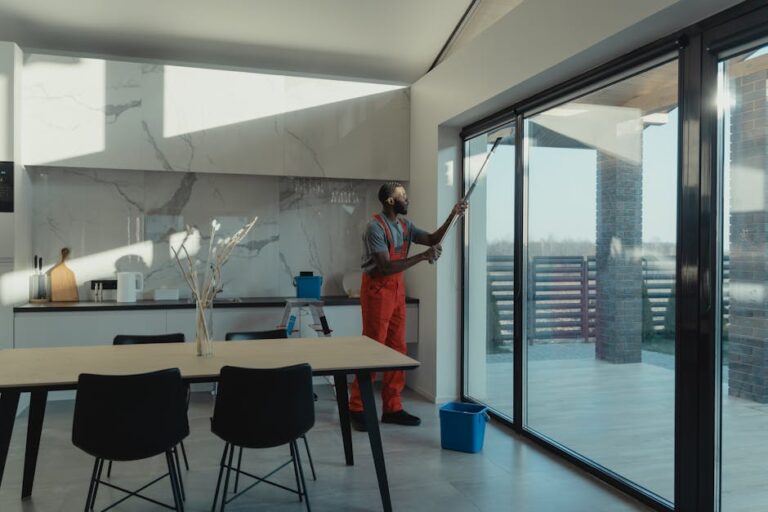
Removing hard water spots, especially from large windows or those in hard-to-reach places, can be a time-consuming and physically demanding task. For a typical 3-bedroom home with moderate hard water spotting, effectively treating and cleaning all windows can easily take 2-4 hours, depending on the severity and number of panes. If you’d rather spend your weekend enjoying the beautiful scenery of the Ovens River or exploring local markets, leave the detail work to us.
At Green Koala Cleaning, we specialise in thorough, detail-oriented window cleaning, ensuring your glass is not just clean, but truly sparkling and free from those stubborn mineral deposits. We service Wangaratta, Benalla, Beechworth, Bright, and over 90 other towns across Northeast Victoria. Give us a call on 0493 295 032 to discuss how we can bring clarity back to your home.